Cosmetic Dentistry Bakersfield CA for Healthy-Looking Smiles
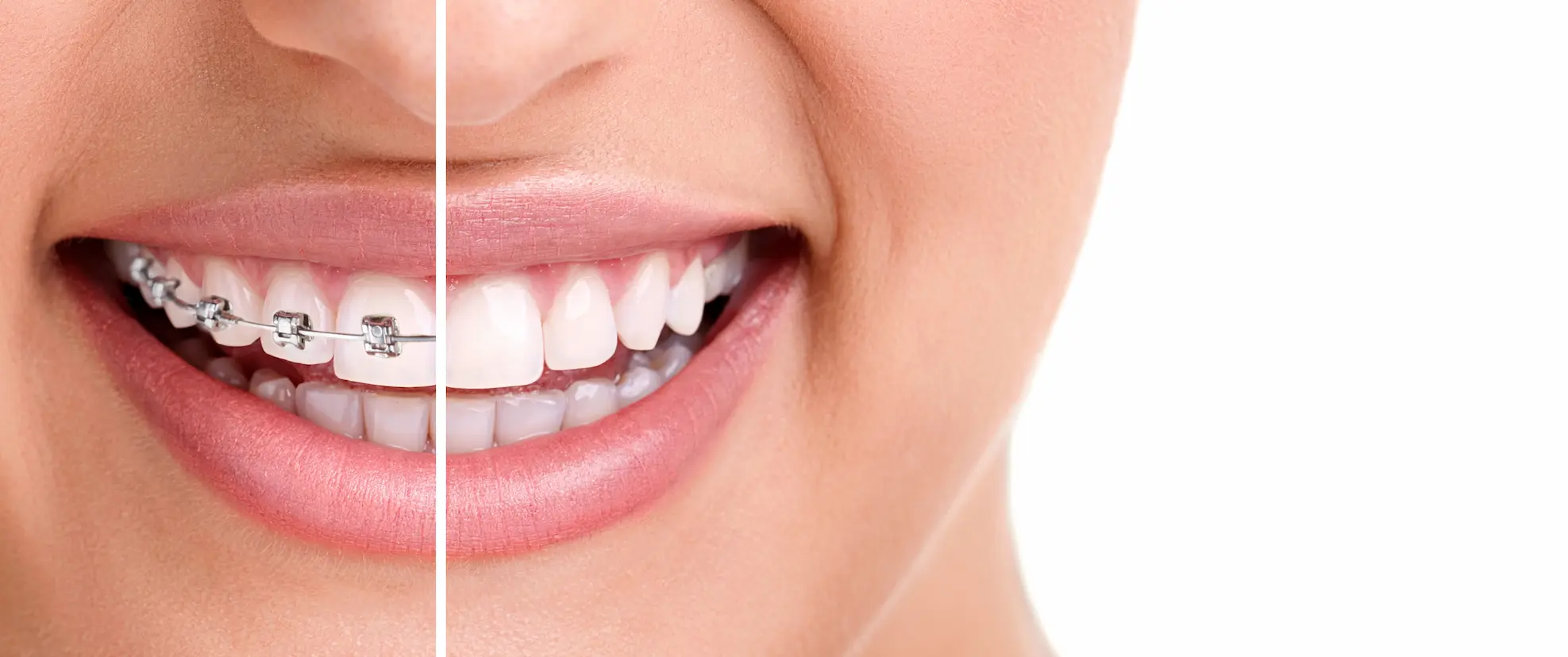
A healthy-looking smile does more than brighten a photo. It changes the way people speak, laugh, and carry themselves in ordinary moments, during meetings, at family gatherings, and across a dinner table. Cosmetic dentistry sits right at that intersection of appearance and function. The best work does not look artificial or overdone. It looks like the patient, only rested, balanced, and well cared for.
For people searching for Cosmetic Dentistry Bakersfield CA, the real question is rarely just, “How can I make my teeth whiter?” More often, it is, “How can I improve my smile in a way that still feels natural, fits my face, and holds up over time?” That is a smarter question, and it usually leads to better outcomes.
Cosmetic dentistry has evolved well beyond a one-size-fits-all set of procedures. Shade, shape, bite, gum display, lip movement, and even speech patterns can influence the right plan. One patient may only need whitening and bonding to look dramatically refreshed. Another may need orthodontic movement first, followed by veneers or crowns. Someone else may think they need cosmetic treatment when the real issue is grinding, gum recession, or old dental work that is starting to fail.
That distinction matters. A smile that looks healthy generally starts with teeth and gums that are healthy.
What cosmetic dentistry really covers
The term cosmetic dentistry can sound narrow, as if it is all surface-level improvement. In practice, it often blends esthetics with restoration. A chipped front tooth affects appearance, but it can also alter bite pressure. Worn enamel may make teeth look short, but it can also signal clenching. Dark fillings in visible areas may bother a patient aesthetically, while also indicating the need to replace old materials.
In a Bakersfield practice, cosmetic requests often fall into a few familiar categories. Patients want teeth that are whiter but not blindingly white. They want edges that are smoother and more even. They want to close small gaps, hide staining that does not respond to whitening, or replace crowns that look bulky or gray near the gumline. Sometimes they want a broad smile with less crowding. Sometimes they simply want to stop covering their mouth when they laugh.
Good cosmetic dental care starts by asking what the patient notices first. It may be color. It may be one tooth that sits slightly behind the others. It may be a gumline that looks uneven in photos. The details matter because cosmetic dentistry is rarely about creating a generic “perfect” smile. It is about correcting what distracts from a natural one.
The difference between a healthy smile and a healthy-looking smile
These two phrases overlap, but they are not identical. A healthy smile refers to oral health itself: stable gums, low decay risk, sound restorations, and a functional bite. A healthy-looking smile describes what people see. Clean contours. Natural translucency. Teeth that suit the person’s age and facial structure. No obvious cracks, stains, chips, or uneven spacing drawing attention.
The strongest cosmetic results respect both. If a patient gets bright veneers over unresolved gum inflammation, the smile may photograph well for a moment but it will not age gracefully. If whitening is done on teeth with untreated sensitivity or exposed roots, the patient may regret the process. If crowns are placed without addressing grinding, beautiful ceramics can chip far sooner than expected.
That is why experienced cosmetic dentists rarely rush the first conversation. They want to know how the teeth function, how the patient bites, whether they clench at night, how much enamel remains, what previous dental work is present, and what habits may affect longevity. Coffee, red wine, smoking, nail biting, and nighttime grinding all shape the plan.
Common treatments that can improve a smile
Not every cosmetic case needs a major overhaul. Some of the best transformations are conservative. The right treatment depends on the condition of the teeth, the patient’s goals, and how much change is realistic without compromising structure.
Here are some of the most common cosmetic options patients ask about:
- Professional teeth whitening for generalized staining and age-related darkening
- Dental bonding for chips, small gaps, and subtle reshaping
- Porcelain veneers for more significant color, shape, or symmetry changes
- Tooth-colored crowns when a tooth needs both cosmetic and structural repair
- Clear aligners or limited orthodontics to improve spacing and alignment
Each of these can be excellent in the right setting. None of them is universally best.
Whitening is often the simplest place to begin. It works well for many external stains from coffee, tea, or normal aging, but it does not lighten crowns, veneers, or most fillings. That means a patient with older visible restorations may whiten the surrounding teeth only to make mismatched dental work stand out more clearly. This is one of the most common surprises patients encounter.
Bonding is one of the most underestimated tools in cosmetic dentistry. Skilled bonding can repair a small front tooth chip, soften an uneven edge, or close a tiny space in a single visit. It is conservative and usually less expensive than porcelain. At the same time, bonding is not as stain-resistant or durable as ceramic, especially in patients who bite their nails, chew ice, or grind.
Veneers offer more control over color, shape, and proportion. They can be transformative when teeth are deeply stained, worn, misshapen, or inconsistent in size. But veneers require planning and precision. Poorly designed veneers can look flat, bulky, or too opaque. The best veneers mimic the way natural enamel catches light. They are not just white shells. They have texture, edge character, and dimension.
Crowns belong in the cosmetic conversation because many visible teeth need more than a purely esthetic fix. If a front tooth has a large old filling, a root canal, or significant fracture lines, a crown may be the safer long-term choice. Cosmetic success depends as much on stability as it does on beauty.
Orthodontic treatment, including clear aligners, often gets overlooked by adults who assume Cosmetic Dentistry Bakersfield CA they missed their chance. Small tooth movements can make a large cosmetic difference. Straightening before whitening or veneers may reduce the amount of restorative work needed and preserve more natural tooth structure.
Why “natural-looking” is the standard that matters
There is a reason experienced cosmetic dentists spend time discussing shape and shade rather than simply promising a “Hollywood smile.” Most people do not want teeth that dominate their face. They want teeth that fit. Natural-looking cosmetic dentistry considers facial symmetry, skin tone, lip line, age, and the neighboring teeth.
A common mistake is choosing a shade that is too bright for the patient’s complexion or age. Teeth naturally show some variation. Incisal edges, the biting edges of front teeth, usually have a bit of translucency. The body of the tooth has warmth. Younger teeth often reflect light differently than older teeth. Removing all of that character can make restorations look artificial, even if the craftsmanship is technically sound.
Shape matters just as much. Slightly rounded corners can feel softer and more youthful on some faces. More squared edges may suit others. Small asymmetries can keep a smile believable. Absolute uniformity often reads as fake. The aim is harmony, not identical repetition.
This is especially important in visible front teeth. A smile should not look “done.” It should look healthy, balanced, and consistent with the person wearing it.
Bakersfield patients often have practical concerns, and they are valid
People looking into Cosmetic Dentistry Bakersfield CA are usually balancing more than appearance. They are thinking about budget, time away from work, durability, and whether treatment will feel worth it five or ten years from now. Those are the right concerns.
Bakersfield is a working city. Many patients want straightforward answers. How many appointments are needed? Will teeth be sensitive afterward? Can treatment be phased over time? What happens if a bonded tooth chips? Will clear aligners affect speech? These are not side questions. They shape whether treatment is realistic.
For example, whitening may be attractive because it is fast and comparatively affordable, but it may not solve color variation caused by old fillings or enamel changes. Veneers may create a more uniform result, but they carry a higher cost and require more planning. Clear aligners can improve crowding without metal braces, though treatment can take several months and relies on patient compliance. Bonding can produce quick improvements, but heavy stain exposure and bite habits may shorten its lifespan.
When patients understand those trade-offs, they make better choices and tend to be happier with the final result.
What a thoughtful cosmetic consultation should include
A cosmetic consultation should feel more like a design and health assessment than a sales pitch. The dentist should ask what bothers the patient, but also explain what is clinically possible and what may not be advisable.
Good consultations usually cover current oral health, photographs or visual exam findings, existing restorations, bite evaluation, and the patient’s timeline. If the patient has gum disease, untreated decay, or fractured restorations, those issues typically need attention before elective cosmetic work begins. That may not be the answer someone hoped for, but it is the responsible one.
In many cases, a dentist will also discuss whether the desired result can be achieved conservatively. If whitening and minor bonding can meet the goal, that is often preferable to jumping directly into irreversible treatment. If orthodontics can align teeth before veneers, less tooth reduction may be needed. If a patient has severe clenching, a night guard may be part of the plan even after cosmetic work is complete.
This is where professional judgment shows. Cosmetic dentistry is not just about what can be done. It is about what should be done.
Whitening sounds simple, but results depend on the starting point
Teeth whitening is the most requested cosmetic service in many practices, and for good reason. It offers visible change without drilling or reshaping. Yet it is often misunderstood.
Whitening works best on natural tooth structure. Yellow-toned staining usually responds better than gray or blue-gray discoloration. Some stains come from age and diet, while others relate to medications, trauma, fluorosis, or internal tooth changes. Those deeper color issues may improve partially, not completely.
Sensitivity is another factor. Some patients breeze through whitening. Others feel sharp cold sensitivity for a day or two. A dentist can often adjust the product strength, frequency, or delivery method, but whitening is not identical for every mouth.
Maintenance matters too. Whitening is not permanent. Coffee, tea, red wine, tobacco, richly pigmented foods, and natural aging all continue after treatment. Patients who understand this tend to do better with periodic touch-ups rather than chasing a one-time permanent result that does not exist.
Veneers can be excellent, but they are not a casual decision
Porcelain veneers are one of the most powerful tools in cosmetic dentistry. They can change color, shape, spacing, proportion, and the overall visual rhythm of a smile. They are also one of the easiest treatments to oversell.
The right veneer case usually involves teeth that are healthy enough to support bonded ceramic and a patient whose goals justify the treatment. Veneers can be a beautiful answer for significant enamel defects, stubborn discoloration, worn edges, or front teeth that feel too small or irregular. They are not automatically the best answer for every minor imperfection.
Preparation style matters. Some veneer cases require minimal enamel reduction. Others require more. The amount depends on tooth position, desired final shape, and the need to avoid bulky contours. This is one reason diagnostics are so important. A plan should account for thickness, bite, and the way the teeth will sit against the lips.
There is also the maintenance reality. Veneers resist staining better than bonding, but they can still chip under enough force. Patients who grind need protection. Gum health still matters. If recession develops years later, margins can become more visible. None of this means veneers are a poor choice. It means they are a serious one.
Bonding is ideal for many small cosmetic fixes
When patients want to improve one or two small details, bonding often deserves the first look. It can reshape a lateral incisor that appears undersized, repair a chipped front edge, soften a pointy canine, or close a narrow gap that catches the eye in photos. In experienced hands, it blends surprisingly well.
The advantages are easy to appreciate. Bonding usually preserves more natural tooth structure than porcelain, can often be completed in one appointment, and is generally more budget-friendly. For young adults especially, it can be an excellent conservative step.
The limitations are just as real. Bonded resin is more vulnerable to staining, edge wear, and chipping than porcelain. The patient who drinks multiple coffees each day and bites pens may need touch-ups sooner. The patient with heavy bite pressure may not be the ideal candidate for a large bonded build-up on a front tooth. Material choice should match lifestyle.
Alignment and bite can make cosmetic work last longer
Cosmetic treatment placed on misaligned or unstable teeth may look better for a while, but longevity often improves when position and bite are addressed. A tooth that juts forward takes more force. Crowded teeth are harder to clean. Uneven wear patterns can signal that certain edges are repeatedly overloaded.
This is where clear aligners and limited orthodontics can be especially valuable. A few months of movement may create better spacing for restorations, improve smile arc, or reduce the amount of preparation needed for veneers or crowns. Adults often assume orthodontics must mean years of treatment, but many cosmetic-focused alignment cases are much narrower in scope.
Bite adjustment is another subtle but important part of the conversation. A beautifully restored front tooth that hits too early can chip. A smile makeover that ignores clenching can fail faster than expected. Patients sometimes see these details as technical fine print. In reality, they often determine whether cosmetic dentistry feels like a worthwhile investment.
Signs it may be time to explore treatment
Some people know exactly what they want changed. Others have simply lived with a smile concern for so long that they stop noticing how often it affects them. If any of these situations sound familiar, a cosmetic consultation may be useful:
- You avoid smiling fully in photos or cover your mouth when laughing
- Stains, chips, or uneven edges draw your eye every time you look in the mirror
- Older crowns or fillings show when you smile and no longer match your teeth
- Minor crowding or spacing makes your teeth look less clean or balanced
- Your teeth look worn down, short, or tired even when they are otherwise healthy
A consultation does not commit anyone to treatment. It simply gives shape to the options.
Cost, longevity, and the value question
Patients are right to ask about cost early. Cosmetic dentistry ranges widely depending on the procedure, materials, complexity, and number of teeth involved. Whitening may be modest. Bonding usually costs less than porcelain. Veneers and crowns require a larger investment, particularly when multiple visible teeth are involved. Orthodontic treatment adds its own time and expense.
But cost alone is not the whole equation. Value depends on suitability and longevity. A lower-cost option that needs frequent repairs may be less satisfying than a better-matched treatment that lasts longer. The reverse can also be true. A patient seeking one small correction may get excellent value from bonding instead of paying for more extensive ceramic work.
Longevity varies by case and maintenance. Whitening needs touch-ups. Bonding may last several years or longer, depending on location and habits. Veneers and crowns can last many years with good care, though no restoration is permanent. Grinding, poor hygiene, gum disease, trauma, and deferred maintenance shorten the life of cosmetic work.
The most honest treatment planning includes this perspective. Nothing in dentistry is “forever.” The goal is durable, functional, attractive work that suits the patient’s priorities and can be maintained responsibly.
How to care for cosmetic dental work
Maintenance is where many successful cases stay successful. Patients sometimes think the hard part is over once the final cement sets or the whitening trays are delivered. In truth, the long-term result depends heavily on what happens next.
Daily brushing and flossing remain essential. Professional cleanings help polish away surface buildup and allow early detection of margin changes, recession, or wear. A night guard may be critical for patients who clench. Sensible habits matter too. Ice chewing, using teeth to open packages, frequent staining drinks, and skipped recalls all increase the odds of disappointment.
Cosmetic dentistry ages best when it is respected as dentistry first and esthetics second. Beautiful teeth still need routine care.
Choosing the right dentist for cosmetic work
Not every general dental practice approaches cosmetic care with the same level of detail. That does not mean patients need a flashy showroom or a heavily marketed “smile design” package. It means they should look for a dentist who pays attention to fit, function, gum health, and natural esthetics.
Ask to see before-and-after cases that resemble your goals. Notice whether the results look like real people or overly bright, overly uniform smiles. Ask how the dentist decides between bonding, veneers, crowns, and orthodontic movement. Ask what happens if underlying bite issues exist. Ask how maintenance is handled after treatment.
The right provider should be comfortable explaining limits, not just possibilities. Sometimes the best sign of expertise is restraint.
A healthier-looking smile often starts smaller than expected
Many patients imagine cosmetic dentistry as a dramatic makeover, but some of the most satisfying results come from measured changes. A slightly brighter shade. One repaired chip. A short aligner plan. Two old crowns replaced with better-shaped ceramics. These are not headline-grabbing transformations, but they can change the entire expression of a smile.
That is why Cosmetic Dentistry Bakersfield CA is best understood as a tailored process, not a menu item. The goal is not just whiter teeth or straighter edges. It is a smile that looks healthy because it is supported by sound decisions, appropriate materials, and careful clinical judgment.
When cosmetic treatment is done well, people often cannot name what changed. They simply think the person looks more rested, more confident, more open. That is usually the mark of success. The smile does not announce itself. It fits, functions, and feels like it always should have been there.
Toothworks of Bakersfield, Dentist and Orthodontist
Address: 1030 H St #1, Bakersfield, CA 93304
Phone number: +16613239421
FAQ About Cosmetic Dentistry Bakersfield CA
What is considered cosmetic dentistry?
Cosmetic dentistry includes any dental treatment focused primarily on improving the appearance of your teeth, gums, or bite rather than treating a disease or restoring basic function.
How much does cosmetic dentistry usually cost?
The cost of cosmetic dentistry typically ranges from a few hundred dollars for minor touch-ups to over $20,000 for a comprehensive smile makeover, depending entirely on the specific procedure, materials used, and how many teeth are treated. Because most cosmetic treatments are elective, they are usually paid out of pocket without insurance coverage.
Is there a difference between a regular dentist and a cosmetic dentist?
Yes, a regular dentist focuses on your overall oral health and preventing disease, while a cosmetic dentist focuses on improving the look of your smile.