Dental Bonding for Tiny Tooth Repairs With Big Cosmetic Impact

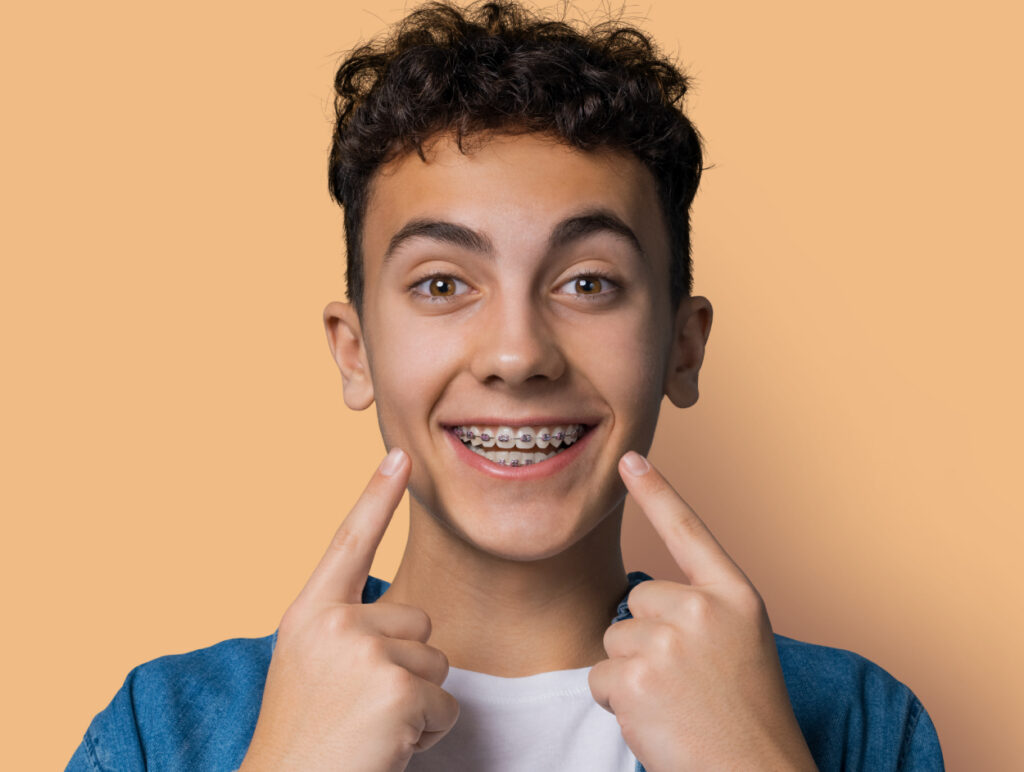
A surprising amount of cosmetic dentistry happens on a very small scale. A corner chip on a front tooth. A narrow gap that draws the eye in every photo. A rough edge that catches the lip. A pale spot that makes one tooth look different from the others. These are not dramatic dental problems, but they can have an outsized effect on confidence.
That is where dental bonding tends to shine. When the issue is modest and the goal is to improve shape, smoothness, symmetry, or color without removing much tooth structure, bonding is often one of the most practical treatments available. It is conservative, usually completed in a single visit, and capable of producing a result that looks far more significant than the size of the repair might suggest.
Patients often arrive assuming they need veneers for any cosmetic concern on a front tooth. Sometimes that is true. Quite often, it is not. Many of the most satisfying smile improvements come from restrained work, a little composite in exactly the right place, polished well, and blended carefully so nobody notices where the tooth ends and the restoration begins.
Why tiny repairs matter so much
Front teeth live in a high-visibility zone. A defect that measures only a millimeter or two can alter how light reflects, how the smile reads in conversation, and how balanced the teeth look as a group. Humans notice symmetry quickly. Even if they cannot name what seems off, they register it.
A tiny chip on one central incisor is a classic example. Technically, it may be minor. Emotionally, it can feel enormous to the person wearing it. The same goes for a slight overlap, a short incisal edge, Dental Bonding Bakersfield CA or a little triangular gap near the gumline. Small imperfections often become the first thing a patient sees when they look in the mirror.
The cosmetic impact is not just visual. A repaired edge can change how a tooth feels against the lower lip or how a person positions their mouth when speaking. It is common to hear patients say they had gotten into the habit of smiling with closed lips, not because their teeth were unhealthy, but because one little flaw started to dominate their attention.
What dental bonding actually is
Dental Bonding uses a tooth-colored composite resin, the same broad family of material used for many white fillings. The resin is applied directly to the tooth, shaped by hand, hardened with a curing light, then refined and polished. In the right hands, it becomes part sculpting, part color matching, part surface engineering.
What makes bonding different from a lab-made restoration is that it is done chairside and directly on the tooth. There is no impression sent out, no temporary in many cases, and often no drilling beyond light surface preparation. That simplicity is part of its appeal. So is the ability to be conservative. If a tooth is healthy and the change needed is limited, adding material can be preferable to removing healthy enamel for a more aggressive treatment.
Composite has improved dramatically over the years. Modern materials come in multiple shades and translucencies, which helps mimic natural enamel and dentin. A polished bond can look remarkably lifelike, especially on smaller repairs where the surrounding tooth structure provides most of the visual character.
The kinds of problems bonding handles best
Bonding is especially effective when the issue is localized. Think of it as a precision solution rather than a total smile overhaul. It works beautifully for edge chips, tiny fractures, worn corners, shallow pits, mild spacing, shape refinements, and covering certain discolorations that are confined to one area.
A patient with one slightly undersized lateral incisor is a good example. The tooth may be healthy, but it can make the smile look uneven. Adding composite to broaden the tooth slightly and soften the contours can create immediate balance. Another common case is a person who had braces years ago, yet still has a small gap between the front teeth. If the bite is stable and the spacing is minor, bonding may close that space quickly without moving the teeth again.
It can also be useful after trauma. Someone bites a fork, takes an elbow during a basketball game, or simply chips a tooth on a coffee mug. If the tooth nerve is intact and the damage is limited to enamel or a small amount of dentin, bonding can often restore the shape in a very natural way.
There are limits, though. Bonding is not the right answer for every cosmetic concern. Very dark internal staining, larger structural defects, or situations where a tooth needs major repositioning may be better served by veneers, crowns, orthodontics, or whitening before any restorative work begins. Good treatment planning matters more than enthusiasm for any single procedure.
Why the result can look bigger than the repair
Cosmetic dentistry is partly about optics. A tiny addition to an edge can make a tooth look straighter. Closing a small gap can make the whole smile appear more polished. Smoothing one rough contour can create better light reflection across both front teeth, which the eye reads as harmony.
That is why Dental Bonding often delivers what feels like a disproportionate return. The amount of material used may be small, but the visual improvement can be striking. A bonded tooth can photograph better, catch light more evenly, and stop drawing attention for the wrong reason.
There is also a psychological piece that should not be discounted. People tend to fixate on specific imperfections. When that one distracting flaw is corrected, they stop monitoring it. The smile starts to feel like their own again, only less compromised. For many patients, that shift matters just as much as the technical repair.
What the appointment usually feels like
For minor cosmetic bonding, the visit is usually straightforward. In many cases, anesthesia is not even necessary because little or no drilling is involved. The tooth is cleaned, isolated, and lightly prepared so the resin adheres properly. A conditioning step, often with a mild etching gel and bonding agent, helps create a strong connection between the composite and the enamel.
Then the artistic work begins. Resin is placed in small increments, shaped to match the tooth, and cured with a light. Once the general form is established, the dentist refines the contours, checks how the teeth come together, and polishes the surface so it reflects light like natural enamel.
When patients are seeing the process for the first time, they are often surprised by how manual it is. This is not a one-button procedure. The final look depends heavily on judgment, hand skills, and attention to detail. Two dentists can use the same material and produce very different results.
The time involved varies with complexity. A tiny edge repair may take less than an hour. Several teeth being reshaped can take considerably longer, especially if the goal is subtle symmetry across the smile. Rushing is one of the fastest ways to make a bonded restoration look obvious.
Where bonding fits compared with veneers
Bonding and veneers are sometimes spoken about as if they are competing versions of the same thing. They overlap, but they are not interchangeable. Bonding is generally more conservative, faster, and less expensive. Veneers, typically made from porcelain in a lab, tend to offer greater stain resistance, long-term gloss retention, and stronger control over larger aesthetic changes.
If a patient has one chipped tooth and the rest of the smile looks healthy and bright, bonding may be the most sensible choice by far. If a patient wants to change the color, shape, width, and alignment appearance of multiple front teeth at once, veneers may provide a more predictable platform.
The real question is not which treatment sounds more advanced. It is which one fits the problem. In practice, overtreatment is a bigger concern than undertreatment in cosmetic cases. There is no prize for using a more involved procedure when a conservative repair would have done the job beautifully.
The trade-offs patients should understand
Bonding has genuine advantages, but it also has real maintenance considerations. Composite is durable, though it is not indestructible. It can chip, wear, or stain over time, especially on biting edges or in patients who clench, grind, bite pens, chew ice, or use their front teeth like tools. Porcelain generally keeps its gloss and color longer, which is one reason veneers remain popular for broader cosmetic cases.
Color matching can also be nuanced. A skilled dentist can blend composite impressively well, but natural teeth are complex. They have depth, translucency, and tiny irregularities. A very small bonded area is often easier to hide than a large one spanning much of the front surface. That is why case selection matters.
Patients should also know that bonding usually does not whiten if they later bleach their natural teeth. If someone plans to whiten, it often makes sense to do that first so the composite can be matched to the lighter shade afterward.
Another point worth discussing is longevity. There is no single number that applies to every bond because location, bite force, habits, and oral hygiene all matter. Some small cosmetic bonds last many years with little trouble. Others need occasional polishing, touch-ups, or replacement sooner. That is not failure so much as the nature of a repair material operating in a demanding environment.
A few cases where bonding is especially satisfying
One of the simplest and most gratifying uses of bonding is restoring a chipped central incisor after a minor accident. The patient often walks in worried that everyone can see the damage. If the chip is small and the tooth is otherwise healthy, a carefully layered repair can restore the original edge in one visit. What looked like a crisis at breakfast can feel resolved by the afternoon.
Another satisfying case is peg laterals, where the upper lateral incisors are naturally small or tapered. These teeth can make the smile look unfinished. Bonding can widen and lengthen them subtly, helping them sit more proportionately next to the central incisors and canines. When done well, the teeth look as though they simply developed that way.
A third common scenario is mild wear. Some adults, especially those who grind at night, slowly flatten the edges of the front teeth. They may not need major reconstruction, but adding back a millimeter in the right places can freshen the smile and soften a prematurely aged appearance. Often, the restorative part is only half the job. The other half is protecting the work with a night guard if grinding is part of the story.
Situations where caution matters
Not every small flaw should be bonded immediately. If the tooth is chipping because the bite is unstable, the cosmetic repair may keep breaking. If a gap exists because of active gum disease or tooth movement, closing it without addressing the cause can create a temporary illusion rather than a stable result.
Heavy bruxers deserve a careful conversation. Bonding on front edges can still be done, but expectations need to be realistic, and protective strategies matter. Likewise, someone with very poor oral hygiene or untreated decay may need health issues addressed before cosmetic work becomes the priority.
There are also esthetic edge cases. A single bond in a highly visible spot can be harder to blend if the neighboring teeth are very translucent, heavily textured, or show multiple color bands. In those instances, what seems like the simplest treatment on paper may require above-average artistry to avoid a flat or opaque appearance.
This is part of why an in-person evaluation matters so much. Photos help, but they do not fully show bite dynamics, enamel quality, moisture control challenges, or how a tooth catches light in motion.
Caring for bonded teeth so they keep looking good
Bonded teeth do not require exotic maintenance, but they do benefit from sensible habits. Regular brushing, flossing, and professional cleanings are the baseline. Beyond that, preserving the polish and edges is mostly about reducing avoidable stress and stain exposure.
The following habits make a meaningful difference:
- Avoid biting ice, fingernails, pens, or hard packaging with the front teeth.
- Wear a night guard if you clench or grind while sleeping.
- Rinse or brush after coffee, tea, red wine, or tobacco use to reduce staining.
- Keep routine dental visits so small wear or roughness can be polished before it becomes more noticeable.
- Mention any new bite changes right away, especially if the bonded area starts to feel like it hits first.
Those steps sound simple because they are, but they often determine whether a nice cosmetic result stays nice. Composite usually ages better when the surface remains smooth and the bite remains kind to it.
What patients often ask before saying yes
Cost comes up quickly, and reasonably so. Bonding is usually less expensive than veneers or crowns because it requires less lab involvement and is often completed in one visit. The exact fee varies by the size of the repair, the number of teeth, and the complexity of the esthetic work. A tiny chip is different from reshaping several front teeth to improve overall balance.
Patients also ask whether bonding hurts. For small cosmetic changes, discomfort is usually minimal. Since many cases involve little to no drilling, numbing may not be needed. If any sensitivity is expected, local anesthesia can be used.
Another common question is whether the bond will be visible. The honest answer is that the goal is for it not to be noticed, and on modest repairs that goal is often very achievable. The degree of invisibility depends on the size and location of the restoration, the quality of the surrounding enamel, and the skill used in matching color, shape, and polish.
People also wonder if bonding is permanent. It is better described as durable but maintainable. Like hair color, tire tread, or the finish on a kitchen table, it lives in the real world and experiences wear. That does not make it a poor choice. It makes it a practical one, especially for conservative cosmetic improvements.
Choosing the right dentist matters more than people expect
Because bonding is relatively accessible, some people assume it is routine in the sense of interchangeable. It is not. There is a large difference between placing tooth-colored material and creating a restoration that disappears into the smile.
For cosmetic bonding, the dentist needs a good eye for proportion, texture, translucency, and facial context. The edges of front teeth are not just straight lines. They have character. Surface polish is not just about shine. It influences how natural the tooth looks at conversational distance. Even the final contour affects speech, lip support, and how the lower teeth contact the upper ones.
If you are exploring Dental Bonding in Bakersfield CA, it is worth asking to see before-and-after examples of the dentist’s actual work, especially cases similar to yours. A small chip repair, a gap closure, and reshaping peg laterals each call for slightly different strengths. Experience with cosmetic finishing and polishing is especially important because that is where many bonds either become elegant or start to look artificial.
When a conservative choice is the smartest cosmetic choice
There is a tendency in smile discussions to jump toward the biggest possible intervention, especially when social media highlights dramatic makeovers. Yet in everyday practice, some of the best outcomes come from restraint. Preserving natural enamel whenever possible remains a sound principle. A tooth that needs only a tiny shape correction does not always benefit from a full-coverage cosmetic approach.
That is one reason Dental Bonding remains so relevant. It meets a very common need, improving the smile in a visible way while asking relatively little of the tooth. It can serve as a long-term solution, a transitional solution, or a way to test a shape change before committing to something more permanent.
A patient who is uncertain about closing a gap can often try the look with bonding first. Someone considering veneers later may choose bonding now after a small accident rather than rushing into a larger treatment plan. Flexibility has value, particularly when the issue is limited and the natural tooth is otherwise in good condition.
The big cosmetic impact comes from precision
The phrase "tiny repair" can sound minor, almost dismissive. In reality, these are the cases where precision matters most. There is nowhere to hide on a front tooth. A half-millimeter can change symmetry. A slight contour error can alter how the smile reads. The craft lies in making the repair look inevitable, as if the tooth had always been that shape.
That is the appeal of bonding at its best. It does not need to be dramatic to be transformative. A chipped edge can vanish. A narrow gap can stop catching the eye. One uneven tooth can be brought back into harmony with the rest of the smile. For patients who want a meaningful cosmetic improvement without unnecessary intervention, that combination of subtlety and impact is hard to beat.
When the problem is small, the smartest answer is often small too, carefully planned, skillfully placed, and polished until it simply looks like you were born with a better version of the same tooth.
Toothworks of Bakersfield, Dentist and Orthodontist
Address: 1030 H St #1, Bakersfield, CA 93304
Phone number: +16613239421
FAQ About Dental Bonding Bakersfield CA
How long will dental bonding last?
Dental bonding typically lasts between 3 and 10 years before it needs a touch-up or replacement. Its lifespan depends heavily on the tooth's location, your daily habits, and your oral hygiene.
How expensive is bonding a tooth?
Dental bonding typically costs between $100 and $600 per tooth for standard procedures, with a national average of about $431 per tooth. Complex repairs can reach up to $1,000 per tooth.
Is bonding your teeth a good idea?
Dental bonding is generally worth it if you want an affordable, fast, and non-invasive way to fix minor tooth flaws. It typically costs between $150 and $600 per tooth, takes 30 to 60 minutes in a single visit, and preserves your natural tooth enamel. However, it is less durable and stains easier than porcelain alternatives.