The Lifespan of Dental Bonding and How to Extend It
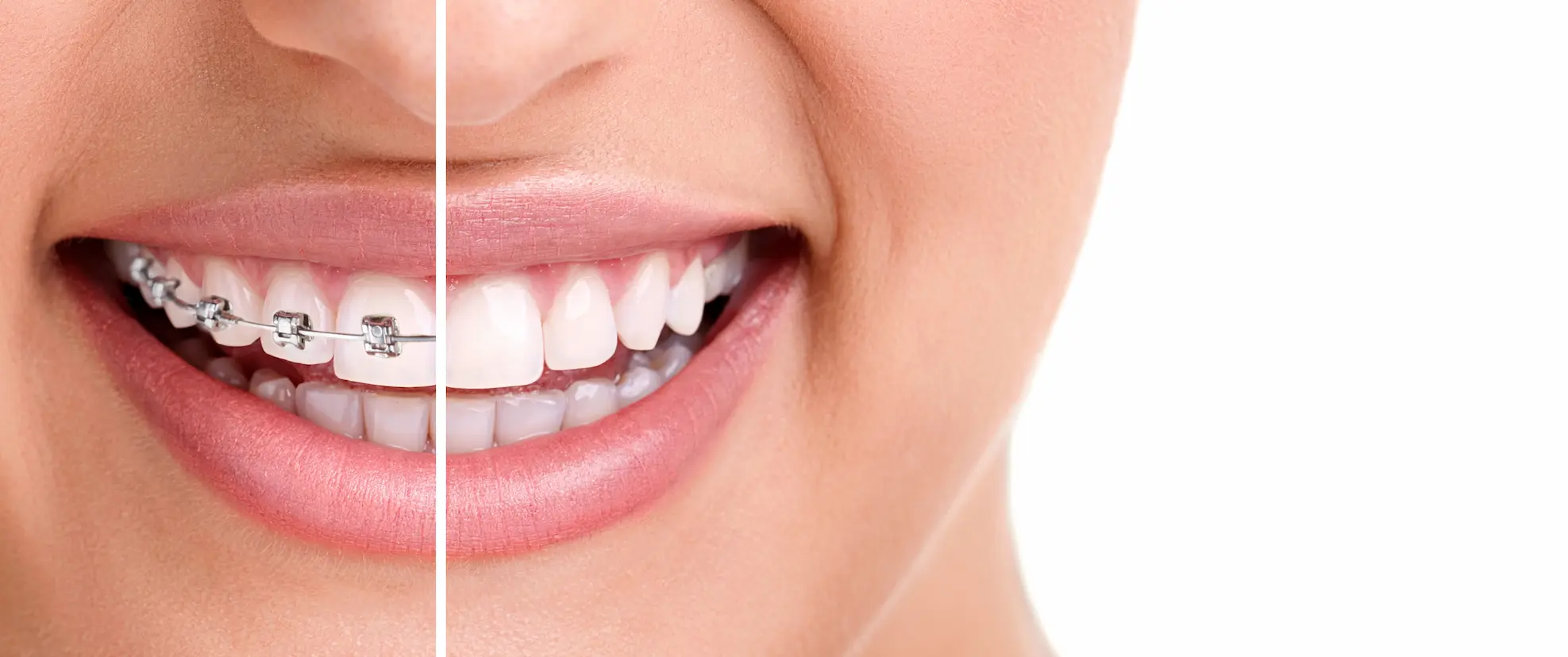
Dental Bonding has a reputation for being the practical fix. It is fast, conservative, and usually far less expensive than veneers or crowns. For the right problem, it can deliver a remarkably clean cosmetic result in a single visit. A chipped front tooth can look whole again before lunch. A small gap can disappear. A discolored spot can be blended into the surrounding enamel so well that even close friends do not notice the change.
What many patients do not realize until after treatment is that bonding is not a permanent material. It is durable, but it is not indestructible. The lifespan depends on where the bonding is placed, how much stress that tooth carries, the quality of the original work, and the habits that shape wear over time. Two https://danteusmz638.wpsuo.com/dental-bonding-for-small-spaces-between-teeth people can receive very similar treatment on the same day and have very different outcomes five years later.
That does not mean Dental Bonding is unpredictable. It means it behaves like most things in dentistry: when the material, bite forces, maintenance, and patient habits line up well, it can last impressively long. When one of those factors is off, it tends to show.
What Dental Bonding actually is
Dental Bonding uses a tooth-colored composite resin that is shaped directly onto the tooth and hardened with a curing light. The material is then contoured and polished so it blends into the surrounding enamel. Unlike a crown, which covers the tooth, or a veneer, which is fabricated in a lab and bonded later, direct bonding is sculpted chairside.
That simplicity is part of its appeal. Bonding usually requires little to no drilling when it is done for cosmetic reshaping or small repairs. A patient with a chipped edge or a worn corner often keeps nearly all natural tooth structure. From a conservative dentistry standpoint, that matters. Once enamel is removed, it does not grow back.
Composite resin has come a long way. Modern materials polish better, mimic natural translucency more convincingly, and hold up better than older generations. Still, resin is softer and more porous than natural enamel or glazed porcelain. That difference explains much of what happens over the years. Bonding can stain, lose polish, chip, or wear at the edges more readily than ceramic work.
A realistic lifespan, not a sales pitch
If patients ask how long bonding lasts, the most honest answer is usually somewhere around three to ten years, with many cases landing in the middle of that range. Some small cosmetic bondings on low-stress areas can look good beyond ten years. Others need repair much sooner.
A tiny bonded patch to close a shallow side gap between front teeth may last well if the bite is gentle and hygiene is excellent. A bonded incisal edge on a patient who clenches at night, chews ice, and uses their front teeth to tear open packaging may chip in a fraction of that time. The material is the same. The environment is not.
Location matters more than many people expect. Bonding on front teeth is highly visible, so even minor staining or edge wear becomes noticeable. Bonding on back teeth is less visible, but it absorbs heavier chewing force. A small cosmetic addition on a lateral incisor and a composite repair on a molar cusp live very different lives.
There is also a difference between functional survival and cosmetic satisfaction. A piece of bonding might still be intact at year six, but if it has dulled, picked up stain, or developed a visible margin, a patient may reasonably feel it no longer looks acceptable. Technically present is not the same as aesthetically successful.
The factors that determine how long it lasts
The first variable is case selection. Bonding is excellent for small to moderate corrections. It is less ideal when someone wants dramatic changes in size, shape, alignment, and color all at once. In those bigger cosmetic cases, the composite may be asked to do too much. When bonding extends into areas of heavy bite contact or creates broad unsupported edges, the risk of fracture rises.
The second variable is the bite. Dentists pay close attention to how upper and lower teeth meet because composite resin does not enjoy repetitive impact. Even beautifully polished bonding can fail early if it lands in a spot where the opposing tooth strikes it every time someone bites or slides into side-to-side movement. Some failures that look like “weak material” are really bite problems.
The third is technique. Bonding looks simple when performed well, but it is one of those procedures where small details matter. Moisture control, proper etching and bonding steps, incremental layering, careful shaping, and a high-quality polish all influence longevity. Margins that are too thin or rough tend to stain and chip earlier. Shade matching also affects whether a restoration still looks natural years later as the adjacent teeth change subtly over time.
The fourth is patient behavior. Coffee, tea, red wine, smoking, nail biting, pen chewing, teeth grinding, and using teeth as tools are all common bonding enemies. None of them guarantee failure. Together, they shorten the odds.
A final factor is maintenance. Patients are sometimes surprised to learn that polished composite benefits from professional upkeep. Minor refinishing can restore luster, smooth roughness, and delay replacement. Bonding ages better when it is monitored rather than ignored.
Why some bonding fails early
Early failure usually traces back to one of a few patterns. The restoration may debond if isolation during placement was poor and contamination interfered with adhesion. It may chip because the bonded edge was too thin or because the tooth hits hard in function. It may stain quickly because the surface was left rough or because the patient has a high-exposure diet and oral environment.
One common scenario involves a chipped front tooth repaired beautifully after an accident. The repair looks seamless on the day it is done. Months later, the patient notices the edge has a faint line or a tiny nick. Often that is not because the dentist “did it wrong.” The front teeth may be carrying more contact than expected, especially if the patient has slight crowding, edge-to-edge bite patterns, or nighttime grinding. A mouthguard in that situation is not an upsell. It is often what stands between a repair that lasts and one that keeps breaking.
Another scenario is cosmetic bonding to close spaces. This can be an elegant solution, but proportions matter. If the teeth are widened too much to close larger gaps, the final shape can place more resin at the outer margins where it is vulnerable. Done thoughtfully, it works very well. Done aggressively, it may look bulky and become maintenance-heavy.
Staining is not the same as structural failure
Patients often assume stained bonding means the restoration has failed. Not necessarily. Composite resin is more likely than porcelain to absorb pigments and lose surface gloss over time. Coffee, black tea, curry, tobacco, and red wine are frequent culprits. So are chlorhexidine rinses when used longer than directed.
Surface stain can sometimes be polished away if the bonding is still otherwise healthy. Deep discoloration is harder to reverse. Composite does not bleach the way natural teeth can, which is why whitening plans need thought beforehand. If a patient whitens after bonding is placed, the natural teeth may lighten while the bonded areas stay the same shade, making them stand out.
This comes up regularly with front teeth. Someone gets Dental Bonding in their twenties, then decides to whiten in their thirties before a wedding or professional photo shoot. Suddenly the old bonding looks darker than it did for years. The restoration did not suddenly deteriorate. The surrounding teeth changed.
How to know when bonding needs attention
Bonding rarely fails without warning. More often, it gives subtle clues first. A dull or rough texture, a stain line at the edge, a small catch when you run your tongue over it, or a shape that feels slightly different can all signal wear or microchipping.
Pain is less common unless the bond has broken enough to expose dentin or create sensitivity. Most cosmetic problems announce themselves visually before they become functional problems. That is why routine exams matter. A dentist can often polish, smooth, or reinforce a small issue before it turns into a larger replacement.
Patients should pay particular attention to changes after hard bites, sports injuries, or periods of increased clenching. A bonded edge that survives years can still chip during a stressful month if jaw tension goes up. The material is good, but it has limits.
Extending the lifespan starts at home
Longevity is shaped every day, not just in the treatment chair. Good habits do more for Dental Bonding than most people expect. Brushing and flossing are the baseline, but technique and product choice matter too. A non-abrasive toothpaste helps preserve polish. Extremely gritty whitening pastes can scratch composite surfaces and make them collect stain faster.
Nighttime grinding is one of the biggest hidden threats. Many patients do not realize they clench until a partner hears it or a dentist points out wear facets. Composite edges and corners tend to show that damage early. A well-made night guard can dramatically extend the life of bonding, especially on front teeth.
Diet plays a quiet role as well. Constant sipping of staining beverages exposes resin to pigments again and again. Acidic drinks can soften surrounding enamel slightly and affect margin integrity over time. No one needs a joyless diet to preserve their smile, but frequency matters. Finishing a coffee in twenty minutes is not the same as nursing it over three hours.
The habits worth changing
The patients who keep bonding looking good longest usually avoid a few specific behaviors. These are the patterns that most often lead to chips, roughness, or staining ahead of schedule.
- Do not use your teeth to open packages, tear tape, or crack nutshells.
- Avoid chewing ice, pen caps, fingernails, and other hard non-food items.
- Reduce frequent exposure to dark staining drinks, or rinse with water afterward.
- Wear a mouthguard if you grind your teeth or play contact sports.
- Choose gentle toothpaste and soft-bristled brushing rather than aggressive scrubbing.
None of these recommendations are glamorous, but they are practical. I have seen beautifully done bonding damaged by things far more mundane than major trauma. A habit as simple as chewing on a metal water bottle straw can create a repetitive stress point that eventually wins.
Professional maintenance makes a difference
A bonded tooth should be treated as part of regular dental care, not a one-and-done cosmetic purchase. At hygiene visits, the surface can be checked for roughness, the margins assessed for staining or leakage, and the bite evaluated for new stress points.
Polishing is particularly useful. Composite that has gone matte can often regain a surprising amount of brightness with refinishing. This will not erase deep internal discoloration, but it can improve the appearance enough to delay replacement. For patients who invested in minor cosmetic improvements rather than full veneers, periodic maintenance often provides excellent value.
Sometimes a simple repair is possible instead of full replacement. One advantage of Dental Bonding is that it is repairable. If a small corner chips, new resin can often be bonded to the existing restoration after the area is refreshed. That is a meaningful benefit over some more rigid restorative options. Repair, however, works best when there is still sound structure and the surrounding color match is manageable.
When bonding is the right choice, and when it is not
Bonding is often the right answer for chips, uneven edges, small gaps, localized discoloration, root exposure near the gumline, and minor shape changes. It is also useful as a transitional treatment. Someone considering orthodontics or porcelain later may choose bonding now to improve appearance conservatively and buy time.
It is less ideal when the patient wants a long-lasting, highly stain-resistant cosmetic overhaul involving multiple front teeth. In those cases, porcelain veneers may hold color and polish longer, though they usually require a higher financial investment and more commitment. Crowns may be necessary when a tooth is structurally compromised, but they remove more natural tooth structure than bonding.
This is where judgment matters. The best treatment is not always the most durable one on paper. A college student with a small front tooth chip may be better served by conservative bonding today than by a more invasive option. A heavy grinder who wants major reshaping across six front teeth may not be. The right choice balances biology, aesthetics, budget, and maintenance tolerance.
Cost and longevity are connected, but not in a simple way
Patients understandably compare procedures by asking how much they cost and how long they last. Bonding usually wins on upfront price and loses to porcelain on average longevity and stain resistance. That comparison is useful, but it is incomplete.
A lower-cost, repairable, minimally invasive solution can be the smartest choice when the tooth problem is modest. If it needs touch-ups over time, that may still represent excellent long-term value. On the other hand, repeatedly repairing large, heavily stressed bonding can become frustrating and eventually more expensive than choosing a different restoration from the start.
The cheapest option at the beginning is not always the least expensive over ten years. The most expensive option is not automatically the most appropriate either. Durable dentistry is about fit, not just price tags.
Special situations that shorten or extend lifespan
Teenagers and young adults often do well with bonding because their teeth are generally healthy and the treatment is conservative. It can be especially useful after orthodontics to refine shape and close tiny residual spaces. The catch is that younger patients may also be more likely to chip bonding through sports, energy-drink habits, or inconsistent use of retainers and mouthguards.
Patients with reflux, dry mouth, or high cavity risk need extra caution. Acid and reduced saliva can create a tougher environment for margins and surface integrity. Bonding can still work well, but the maintenance bar is higher.
Someone with excellent oral hygiene, stable bite, low stain exposure, and regular professional care may get many years from modest front-tooth bonding. That is not unusual. The opposite profile, heavy grinding, high coffee intake, tobacco use, skipped cleanings, can make even skillfully placed bonding look tired surprisingly quickly.
A practical timeline to expect
The first year is usually about settling in. Any immediate bite issues or contour tweaks tend to show up early, and they are often simple to adjust. From years two through five, bonding typically reflects habits more than anything else. Surfaces either stay polished and integrated or begin to show the first signs of stain and wear. Beyond that, some restorations continue quietly, while others start to look less crisp at the margins.
That gradual change is normal. Dentistry is not static. Natural teeth wear, lighten unevenly, darken with age, and shift slightly. Restorative materials age alongside them. The goal is not to pretend a bonded restoration will remain untouched forever. The goal is to place it thoughtfully, protect it intelligently, and refresh it when appropriate.
The bottom line for patients considering Dental Bonding
Dental Bonding can be one of the most elegant tools in cosmetic and restorative dentistry when used in the right situation. It preserves tooth structure, improves appearance quickly, and can deliver beautiful results without the commitment of more aggressive treatment. Its lifespan is not fixed, but in most cases, a reasonable expectation is several years of good service, with some cases lasting much longer.
The patients happiest with bonding over time tend to share the same mindset. They see it as a high-quality, maintainable restoration, not a permanent coating that can be ignored. They protect it from unnecessary force, stay realistic about stain resistance, and come in when small issues are still small.
Handled that way, bonding often rewards people far beyond its modest footprint. For a chipped tooth, a subtle shape correction, or a carefully closed gap, few treatments offer as much immediate improvement with as little sacrifice of natural enamel. That balance is why it remains such a valuable option, and why preserving it well is worth the effort.
Toothworks of Bakersfield, Dentist and Orthodontist
Address: 1030 H St #1, Bakersfield, CA 93304
Phone number: +16613239421
FAQ About Dental Bonding
How long does dental bonding last?
Dental bonding typically lasts between 3 and 10 years (averaging about 5 to 8 years) before it needs a touch-up or replacement. Its lifespan depends heavily on your daily habits, where the bonding is placed in your mouth, and how well you care for your teeth.
How expensive is bonding a tooth?
Dental bonding typically costs between $100 and $600 per tooth, with a national average of about $431 per tooth.
What are the downsides of dental bonding?
Dental bonding has several drawbacks, including lower durability, a shorter lifespan, and a tendency to stain compared to alternatives like porcelain veneers.