The Pros and Cons of Dental Bonding in Bakersfield CA

A small chip on a front tooth can change the way people smile, speak, and carry themselves. So can a narrow gap, a worn edge, or a stain that refuses to lift with whitening. Dental bonding is often the procedure people hear about first because it is conservative, fast, and usually more affordable than porcelain veneers or crowns. For many patients, it solves a cosmetic problem in a single visit and does it without dramatically altering healthy tooth structure.
That appeal is real, but so are the limits. Dental Bonding is not a magic fix, and it is not the right answer for every tooth or every bite. In a place like Bakersfield, where people often juggle work, family schedules, and the practical realities of cost, treatment choices tend to come down to a mix of appearance, durability, and maintenance. If you are weighing Dental Bonding in Bakersfield CA, it helps to look past the sales pitch and understand where bonding shines, where it falls short, and what kind of result you can realistically expect.
What dental bonding actually is
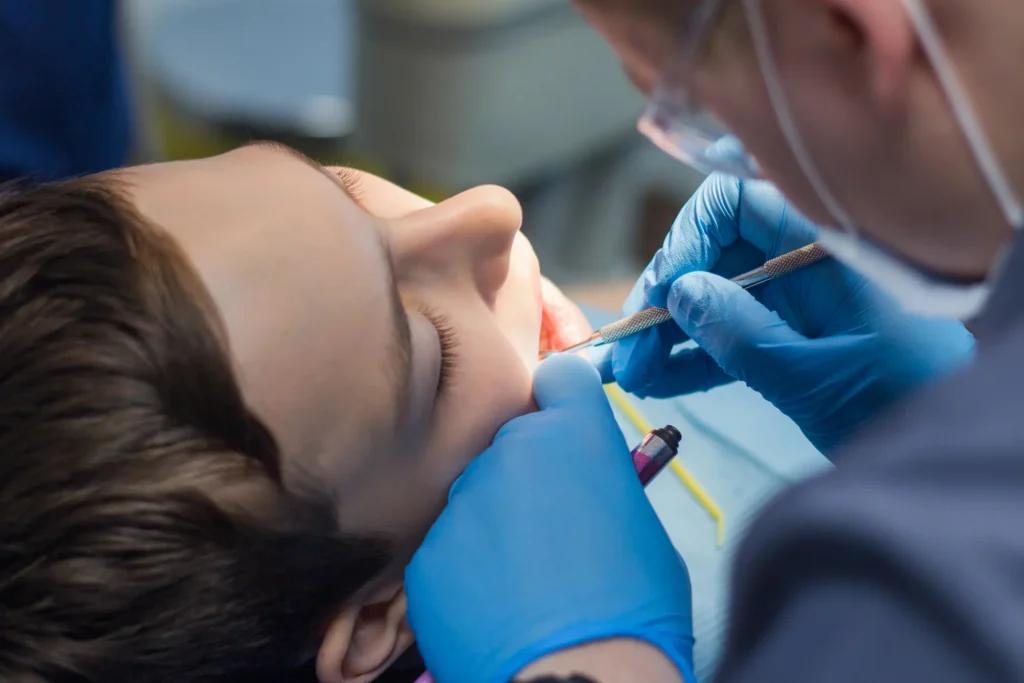
Dental bonding uses a tooth-colored composite resin to repair or improve the shape, size, or color of a tooth. The material starts out pliable, almost like putty, and the dentist sculpts it directly onto the enamel. A curing light hardens the resin, and then the surface is refined and polished until it blends with the surrounding teeth.
From a patient’s perspective, the appointment can feel surprisingly straightforward. In many cases there is little to no drilling, anesthesia is not always necessary, and the tooth leaves the office looking noticeably better within an hour or less. That simplicity is a big reason bonding remains popular.
Composite resin is the same family of material used for many tooth-colored fillings, though cosmetic bonding often involves more detailed shaping and polishing. The skill of the operator matters quite a bit. Shade selection, contour, translucency, and texture all affect whether the final result looks natural or obvious. A front tooth restored by an experienced cosmetic dentist typically reflects https://www.merchantcircle.com/toothworks-of-bakersfield-bakersfield-ca light differently than one done with a purely functional mindset. The difference is subtle until you see both side by side.
Why people in Bakersfield ask about bonding so often
There is a practical streak to cosmetic dentistry decisions in Bakersfield, and bonding fits that mindset. Not everyone wants to commit to the cost or permanence of veneers. Not everyone needs them, either. A patient who cracked the corner of an incisor on a coffee mug, or a teenager with a small gap between the front teeth, may be far better served by bonding than by a more aggressive option.
There is also the issue of timing. Some cosmetic treatments require multiple appointments, lab fabrication, temporaries, and a bigger financial commitment. Bonding often works well for people who want an immediate improvement before a wedding, job interview, graduation, or family photos. It can also serve as a transitional treatment. Someone might choose bonding now, then consider veneers years later if their goals change.
Climate and lifestyle are not irrelevant here, either. Hot weather tends to push people toward iced coffee, tea, sports drinks, and darker beverages that can stain resin over time. That does not make bonding a poor choice, but it does mean maintenance matters. A white, polished bonded edge can look excellent at placement, then pick up discoloration faster than porcelain if the patient smokes or drinks staining beverages daily.
Where bonding performs best
Bonding tends to work best when the problem is modest and the tooth structure underneath is healthy. If a patient has a tiny chip, one undersized lateral incisor, mild edge wear, or a stain localized to one tooth, bonding can be remarkably effective. It is also useful when the goal is to make a subtle change rather than a dramatic smile makeover.
A common example is closing a small gap between the two upper front teeth. For the right patient, composite can be added to both teeth and shaped so the space disappears without braces, aligners, or porcelain. Another good example is restoring a chipped incisal edge after minor trauma. When the color match is done well, many people forget which tooth was repaired.
Bonding can also be excellent for younger patients. Veneers and crowns usually involve removing some enamel, which many dentists prefer to avoid if the tooth is otherwise intact. Composite lets the clinician preserve more of the natural tooth while still addressing cosmetic concerns. That conservative approach has real value, especially when the patient may need future treatment over the course of a lifetime.
The strongest advantages of Dental Bonding
The first clear advantage is conservation. Bonding usually requires minimal preparation, and in some cases none at all beyond surface roughening and conditioning. Healthy enamel is precious. Once it is removed, it does not grow back. Procedures that preserve it deserve serious consideration.
The second advantage is cost. Fees vary by office, complexity, and the number of teeth involved, but Dental Bonding is usually less expensive than veneers or crowns. That difference can be substantial, especially when several teeth are being treated. For patients balancing cosmetic goals with a household budget, affordability is not a minor issue. It can be the deciding factor.
The third advantage is speed. Most bonding cases are completed in one visit. There is no need to take impressions for a laboratory in many straightforward situations, and there is no waiting period with temporary restorations. A person can walk in with a chip and leave with a restored smile before lunch.
Another benefit is reversibility, at least relative to other cosmetic treatments. Because less enamel is often removed, the tooth remains closer to its original state. That does not mean the procedure is always fully reversible in a literal sense, but it is far less invasive than options that require significant reshaping.
Finally, bonding can be repaired. If a bonded corner chips years later, the dentist can often roughen the area, add fresh resin, and blend the repair without replacing the entire restoration. That flexibility is one of composite’s best features.
The trade-offs people should understand before saying yes
For all its strengths, bonding has a shorter lifespan than porcelain in many situations. A well-done bonded restoration can last several years, and sometimes longer, but durability depends heavily on where it is placed and how the patient uses their teeth. A front tooth edge that is only lightly involved may hold up quite well. A larger build-up on a person who clenches, grinds, bites pens, or opens packages with their teeth is much more likely to chip or wear.
Composite resin is also more prone to staining than porcelain. This matters more than many patients expect. A bonded tooth can look beautifully polished at first, but over time coffee, tea, red wine, curry, tobacco, and even some mouthrinses can dull or discolor the material. Professional polishing can often improve the appearance, though not always completely.
Then there is the matter of shine and texture. Good composite can be polished to a very attractive finish, but porcelain generally holds its luster longer. On a single small repair, that may not be noticeable. On multiple front teeth, especially under bright light, the difference can become more apparent with time.
Strength is another limitation. Bonding is not the ideal fix for every crack, every large broken tooth, or every bite problem. If a tooth has lost substantial structure, or if the patient’s bite places heavy force on the area, a veneer or crown may be more predictable. When bonding is used in the wrong case, the material is often blamed for a failure that really came down to case selection.
When bonding is not the best option
A lot of disappointment in cosmetic dentistry starts when a relatively small procedure is expected to solve a much bigger problem. Bonding can improve shape and color, but it cannot correct everything.
If teeth are crowded or significantly rotated, orthodontic treatment often makes more sense before any cosmetic work. Trying to mask major alignment issues with resin can create bulky contours that look unnatural and make cleaning harder. If the tooth is severely discolored from internal staining, bonding may not block the dark color as effectively as a porcelain restoration. If the patient has active decay, gum disease, or heavy grinding, those issues need attention first.
Large bite issues are especially important. Someone with a deep overbite or edge-to-edge bite may place intense force on the front teeth every time they chew. In those cases, bonding on the incisal edges can chip repeatedly no matter how skilled the dentist is. A night guard may help if grinding is part of the picture, but sometimes the better answer is a different type of restoration or a staged treatment plan.
A patient’s habits can also disqualify bonding as the best first choice. Nail biting, chewing ice, tearing tape with the front teeth, and chronic clenching all shorten the life of composite. Dentists see this pattern all the time. The material is asked to do more than it was designed to do, then the patient feels frustrated when a repair is needed.
How long does dental bonding last in real life?
This is one of the most common questions, and it deserves a grounded answer rather than a tidy promise. Many bonded restorations last somewhere in the range of three to ten years, but that range is broad because the variables are broad. A tiny repair on a tooth with a gentle bite can outlast a much larger bonding case by several years. Location matters. Habits matter. Diet matters. The dentist’s technique matters.
A front tooth that was bonded purely to soften a small corner may still look good after many years with occasional polishing. By contrast, a heavily rebuilt incisal edge on a patient who grinds at night may need maintenance much sooner. Maintenance is not failure. It is part of the reality of composite dentistry.
Patients often appreciate this more when it is explained plainly: bonding is durable, but it is not permanent. It behaves more like a high-quality repair than a once-and-done upgrade. If that expectation is in place from the beginning, satisfaction is usually much higher.
Appearance matters, and this is where skill shows
The best bonding often goes unnoticed. That is the goal. Front teeth are not flat white tiles. They have subtle translucency at the edges, slight texture on the surface, and tiny differences in how they reflect light. Reproducing that with resin takes a careful eye.
Shade matching is especially important in natural daylight. Under operatory lights, almost any restoration can look good for a few minutes. The test comes later, in the car mirror or outdoors at noon. An experienced cosmetic dentist thinks about value, hue, and chroma, not just whether the material seems “white enough.” They also shape the tooth in a way that suits the patient’s face and neighboring teeth. A bonded front tooth that is a fraction too wide or too square can throw off the whole smile.
This is one reason consultations matter. Before-and-after photos of similar cases can be more useful than generic assurances. Patients considering Dental Bonding in Bakersfield CA should pay attention not just to whether a practice offers the service, but to how often the dentist performs visible cosmetic bonding and what the finished work actually looks like.
The cost question, without pretending there is one simple number
Bonding is usually one of the more affordable cosmetic options, but the fee can vary quite a bit. A tiny chip repair is not priced the same as artistic reshaping of several front teeth. The office, the complexity, the amount of time required, and the level of cosmetic detail all influence the final cost.
Insurance may help if the procedure is restoring damage from decay or trauma, but purely cosmetic bonding often falls outside routine coverage. That means patients should ask very direct questions up front. Is the quoted fee per tooth or per surface? Does it include polishing adjustments if something feels rough after the appointment? If a small repair is needed within the first few months, is that billed separately? Clear answers prevent resentment later.
It is also wise to compare value, not just price. A lower fee can be attractive, but if the color is off, the shape feels bulky, or the restoration chips quickly, the patient may end up paying again. Good bonding is technique-sensitive. That has always been true.
Daily life after bonding
Most people return to normal activities right away. If no anesthesia was needed, there is often no downtime at all. The bonded tooth may feel slightly different at first because the tongue is incredibly sensitive to small contour changes, but that usually fades within a day or two.
What matters more is how the patient treats the restoration. Bonded teeth are not fragile in the way many people fear, but they do benefit from a little respect. Biting directly into hard foods with a heavily bonded front tooth, grinding at night without a guard, or using teeth as tools is asking for trouble. So is neglecting hygiene. Composite bonds best to clean, healthy tooth structure and tends to last longer in a healthy mouth.
A practical point many dentists share, based on years of seeing repairs come back, is that maintenance is mostly about avoiding preventable stress and preventable stain. People do not need to live nervously. They just need to stop doing the handful of things that break front teeth in the first place.
Questions worth asking before you commit
The quality of the conversation before treatment often predicts the quality of the outcome. Patients should understand not only the benefit of bonding but its lifespan, limitations, and alternatives. That discussion does not need to be complicated, but it does need to be honest.
Here are a few useful questions to bring to a consultation:
- How long do you expect bonding to last in my specific case?
- Would veneers, orthodontics, or whitening address this problem better?
- Will the bonded area stain differently from my natural teeth?
- If it chips later, can it be repaired or will it need replacement?
- Do you recommend a night guard based on my bite or grinding habits?
Those questions reveal a lot. A thoughtful answer takes into account your bite, your goals, and the condition of the tooth, not just the desire to get treatment started.
Who tends to be happiest with Dental Bonding in Bakersfield CA
The happiest bonding patients are usually the ones with focused goals and realistic expectations. They want to fix a specific chip, close a modest space, even out a small shape discrepancy, or refresh one area without committing to extensive cosmetic work. They understand that composite may need maintenance over time, and they see that as acceptable because the initial procedure is conservative and efficient.
Patients are also more satisfied when the treatment fits their actual lifestyle. Someone who drinks coffee daily but is willing to come in for occasional polishing can still be a good bonding candidate. Someone who grinds heavily, wants a dramatic color change on several teeth, and expects the result to stay flawless for a decade without maintenance may be happier with a different option.
That distinction matters. Good dentistry is not just about what can be done. It is about what should be done for this person, with this bite, these habits, and these priorities.
A balanced way to think about the decision
Dental Bonding occupies a useful middle ground in cosmetic dentistry. It is less invasive than veneers, usually less costly, and often fast enough to fit into one appointment. For chips, small gaps, minor wear, and localized cosmetic improvements, it can be an elegant solution. It often delivers exactly what a patient hoped for, especially when the underlying tooth is healthy and the case is straightforward.
Its downsides are just as real. Composite can stain, wear, and chip. It usually does not maintain its gloss as long as porcelain. It is more dependent on patient habits and bite forces than many people realize. And when used to compensate for problems it was not designed to solve, it can produce frustration instead of confidence.
For anyone considering Dental Bonding in Bakersfield CA, the smart approach is simple: match the treatment to the problem. If the issue is small to moderate and the goal is a natural-looking improvement with minimal alteration to the tooth, bonding deserves serious consideration. If the problem is larger, the bite is risky, or the cosmetic expectations are very high, it is worth discussing stronger or more stable alternatives before making a decision.
That kind of judgment is what separates a quick cosmetic fix from treatment that still feels like the right choice years later.
Toothworks of Bakersfield, Dentist and Orthodontist
Address: 1030 H St #1, Bakersfield, CA 93304
Phone number: +16613239421
FAQ About Dental Bonding Bakersfield CA
How long will dental bonding last?
Dental bonding typically lasts between 3 and 10 years before it needs a touch-up or replacement. Its lifespan depends heavily on the tooth's location, your daily habits, and your oral hygiene.
How expensive is bonding a tooth?
Dental bonding typically costs between $100 and $600 per tooth for standard procedures, with a national average of about $431 per tooth. Complex repairs can reach up to $1,000 per tooth.
Is bonding your teeth a good idea?
Dental bonding is generally worth it if you want an affordable, fast, and non-invasive way to fix minor tooth flaws. It typically costs between $150 and $600 per tooth, takes 30 to 60 minutes in a single visit, and preserves your natural tooth enamel. However, it is less durable and stains easier than porcelain alternatives.